A curve can change the way a metal piece looks, fits and works. Think of a handrail that follows a particular shape or a curved metal feature designed for a space. If your idea cannot be made from straight sections alone, you may need to discuss tube or plate rolling.
3D Metal Workx offers tube and plate rolling as part of its metalwork services in Johannesburg. Here is what the process is for, what information helps when you enquire and how it can fit into a larger project.
What is tube and plate rolling?
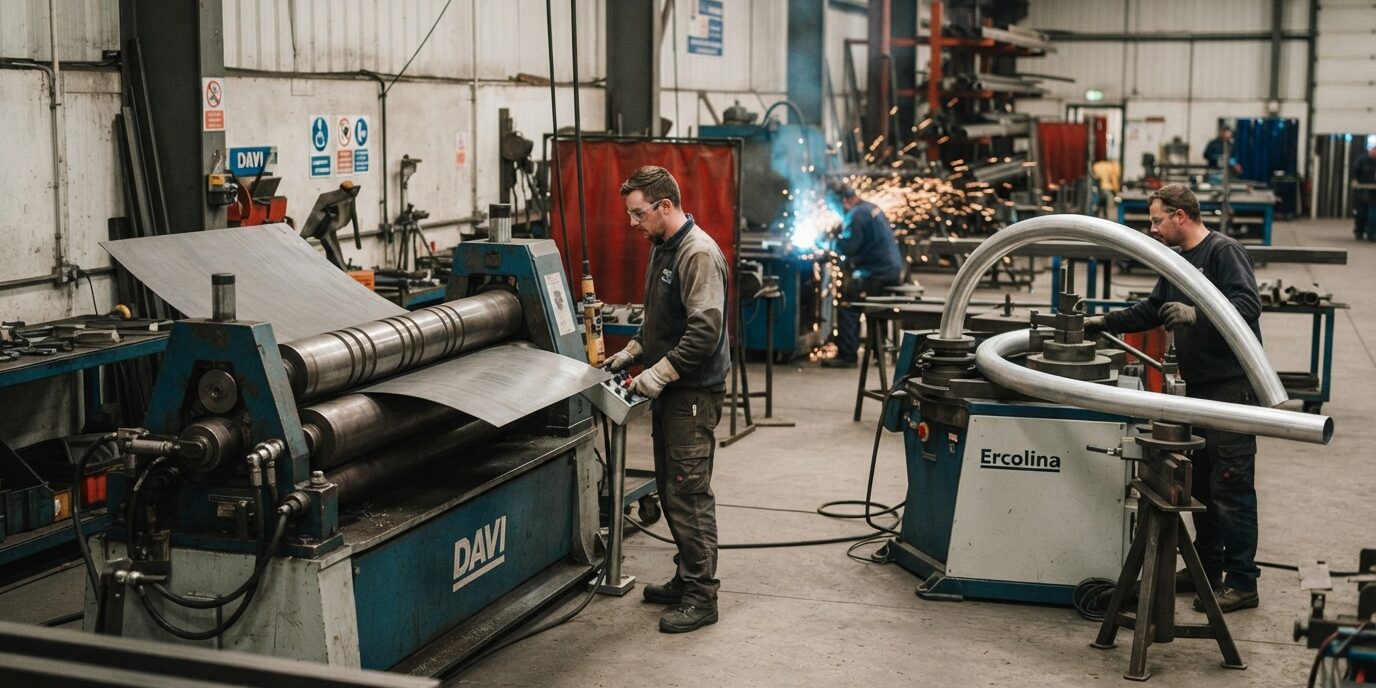
Rolling is a forming process used to create a curve in a metal component. Tube rolling works with tube or similar sections; plate rolling forms a metal plate into a curved shape. Which approach is appropriate depends on the part, the material and the result you need.
The 3D Metal Workx website mentions curved tubes for handrails and rolled plate for architectural features. Its portfolio also includes examples of ring rolling and sheet-metal rolling. These examples show the range of shapes worth discussing, but every new project needs to be assessed on its own specifications.
A curve starts with a clear shape
“Make it curved” is a good starting point, but a little more detail helps. Is it a gentle sweep, part of a circle or a repeated shape that needs to match other components? What are the approximate overall dimensions? If the curve must sit within an existing space, a photo of that space is useful too.
You do not have to know a precise radius to make an enquiry. A sketch, template or reference image can help explain the shape you want. Label any dimensions you have and say clearly which ones are still approximate.
How does a curved part become a finished project?
A rolled component may be only one part of the job. For example, the overall piece might also require custom fabrication to bring the design together, or welding to join components. 3D Metal Workx also offers laser welding; whether it is appropriate for a particular joint depends on the requirements of that project. You do not need to specify a joining method before contacting the team.
What matters first is the finished purpose. Where will the piece go? How will it be used? Does its appearance need to match another feature? These details help turn an interesting shape into a practical brief.
What should you send with your enquiry?
A helpful first message includes:
- A sketch, template or reference photo showing the curve.
- Approximate dimensions and, if relevant, a photo of the space it must fit.
- Your preferred material, if you have one, and the item’s intended use.
- The number of pieces needed and any target date.
- Any other parts that need to connect to the curved section.
It is fine if some measurements are not final. Mark them as estimates and ask what the team needs to confirm before work can be planned.
Have a curved metalwork idea? Contact 3D Metal Workx in Sebenza, Johannesburg. Email dario@3dmetalworkx.co.za or call Dario on +27 82 707 8746 to discuss the shape you have in mind.